Caetano Albuquerque
Plant physiologist. I study how plants move water, how drought and disease disrupt it, and how it recovers.
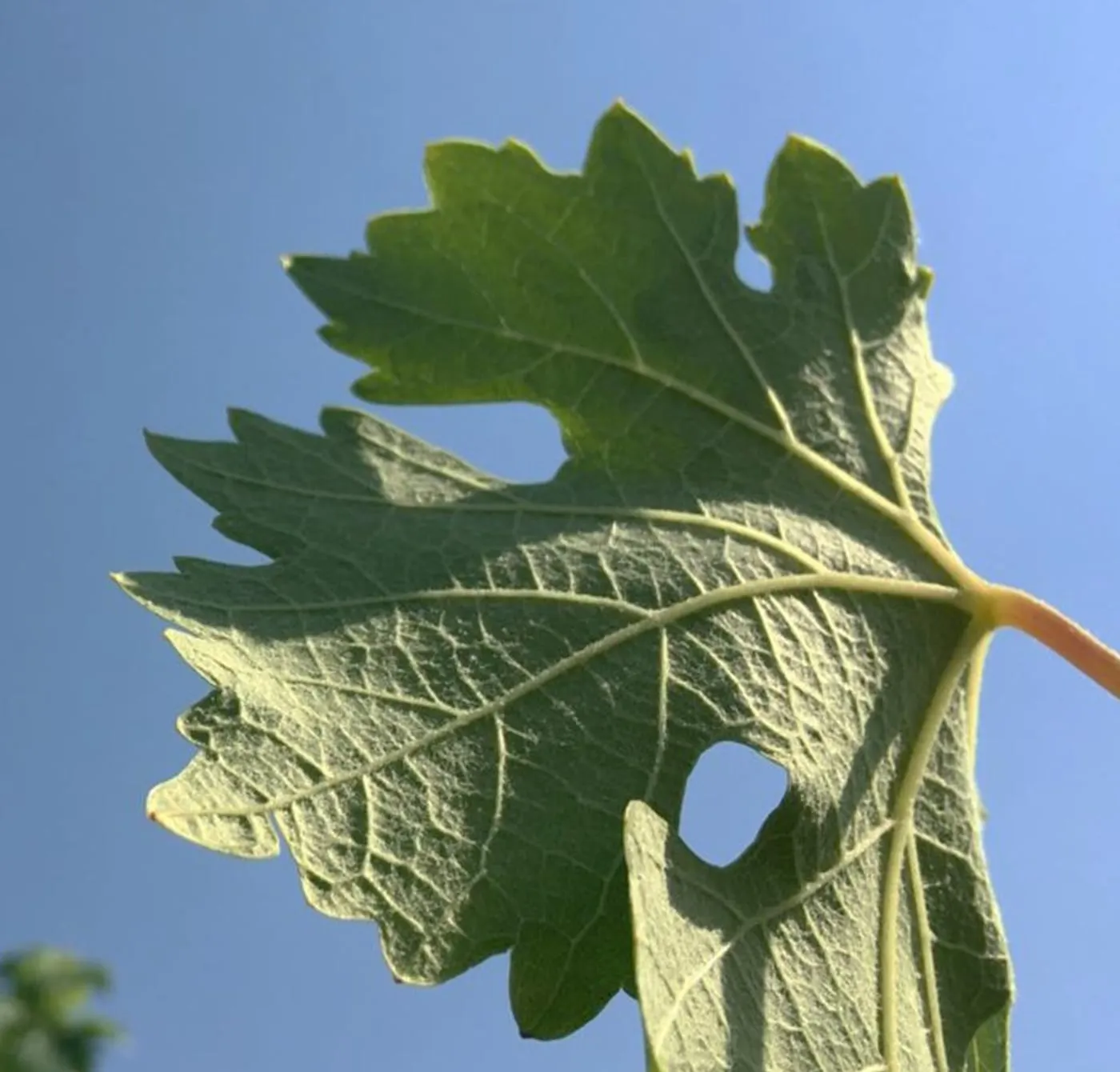
My lab studies how plants respond to drought and disease, and the mechanisms behind those responses. We compare several plant species, including crops such as grapevine, lettuce and almond.
A central question is how water transport declines under stress and how it recovers when conditions improve, after the soil is rewatered or the air becomes less dry. We combine plant physiology and hydraulics with imaging to connect structure and function.
Current projects
-
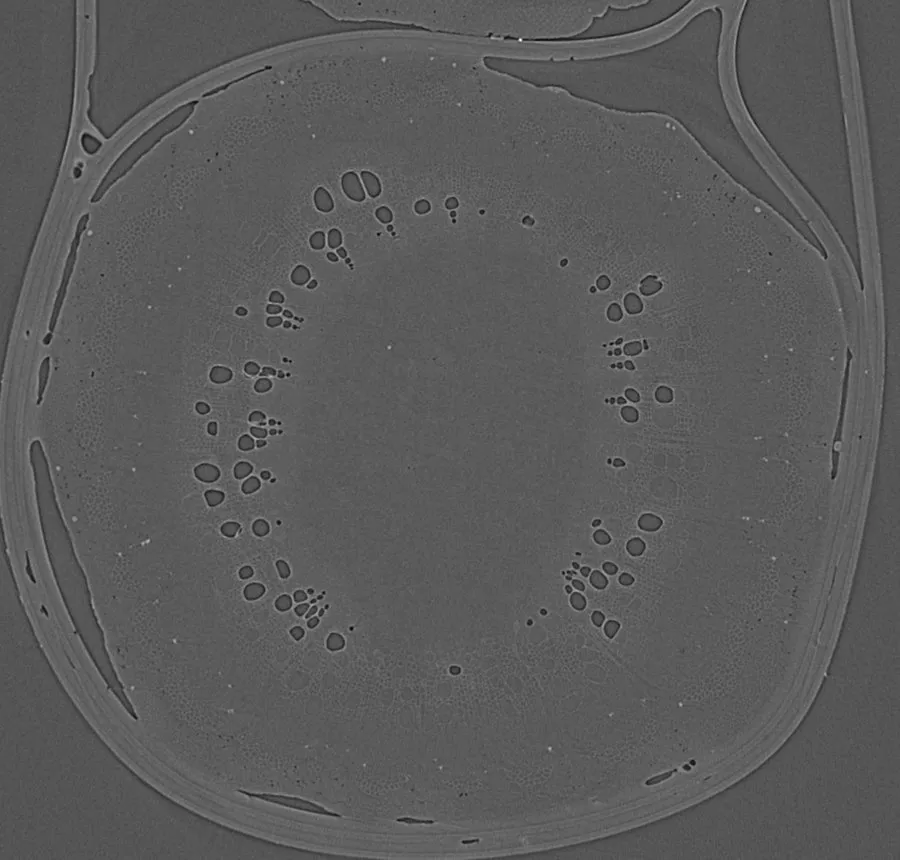
Loss and recovery of water transport in the xylem
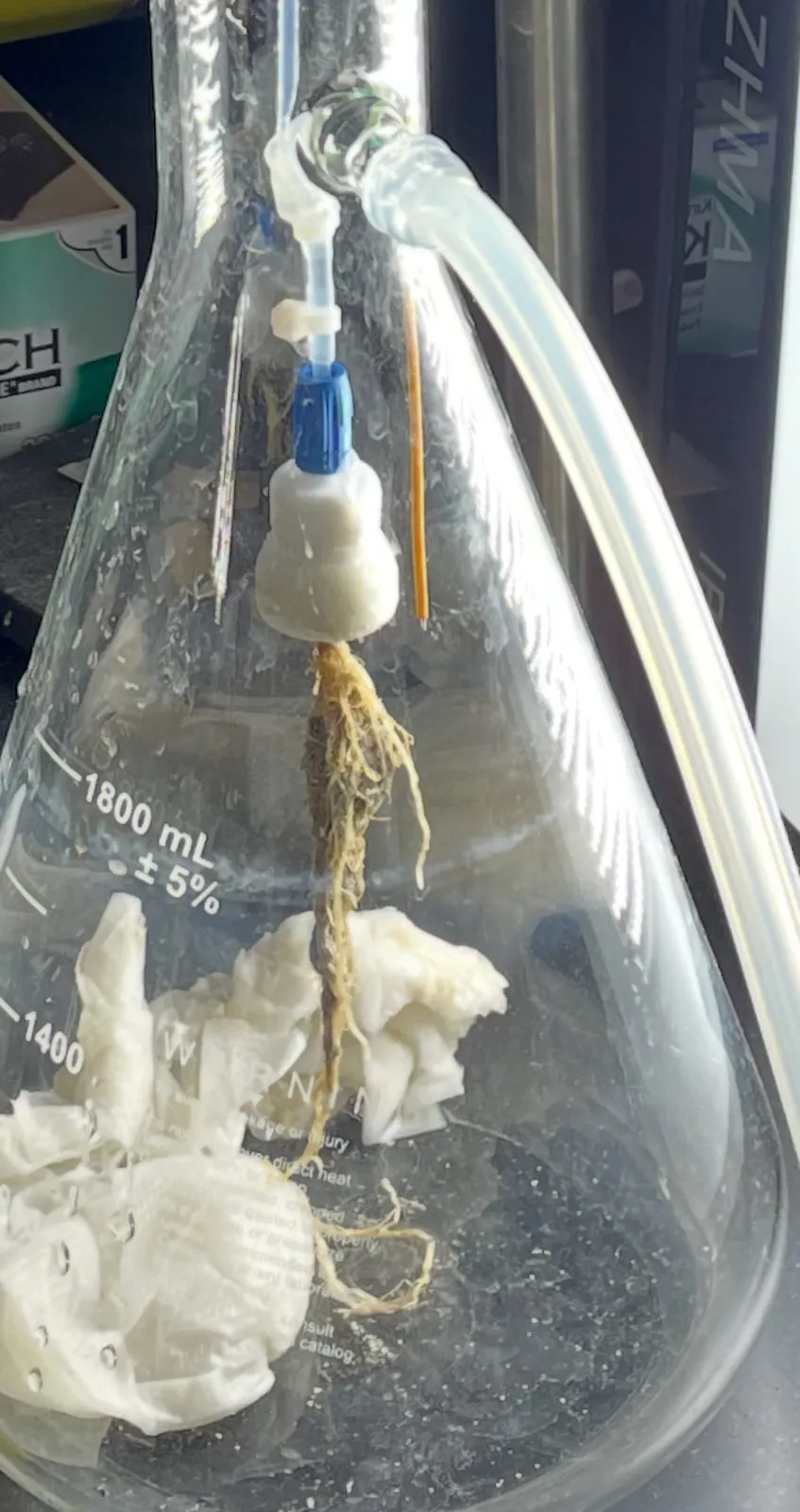
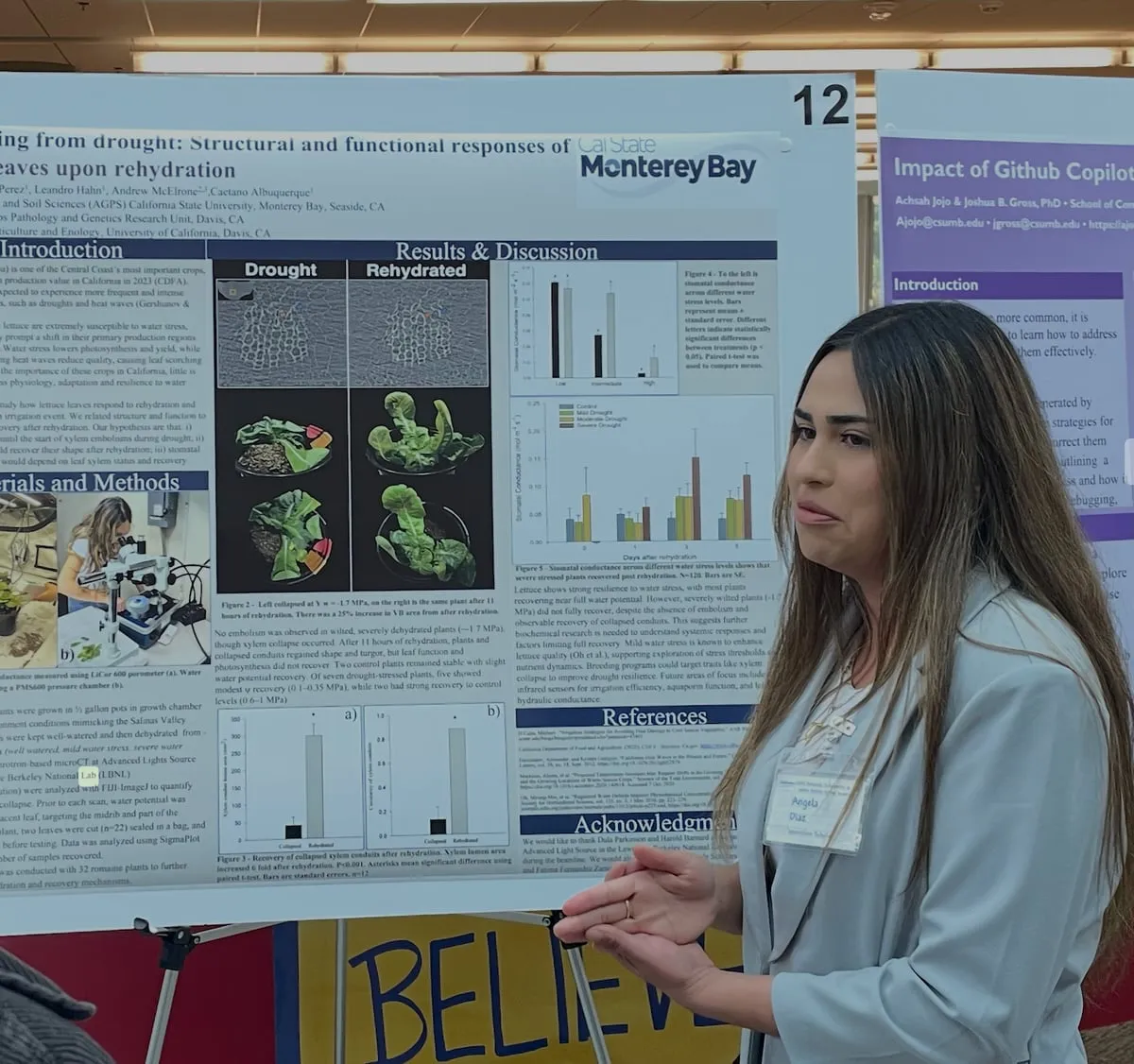
Synchrotron microCT of intact plants through drought and rewatering, alongside leaf hydraulics and gas exchange.
Students: Joe Perez, Angela Diaz
-
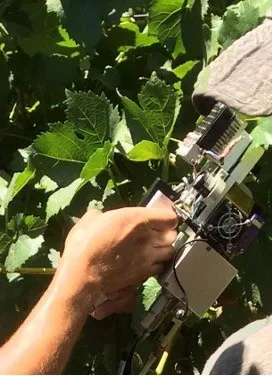
Aquaporins and the living cells
Grapevines lacking the aquaporin VvPIP2;1, to separate the living pathway from the xylem.
-
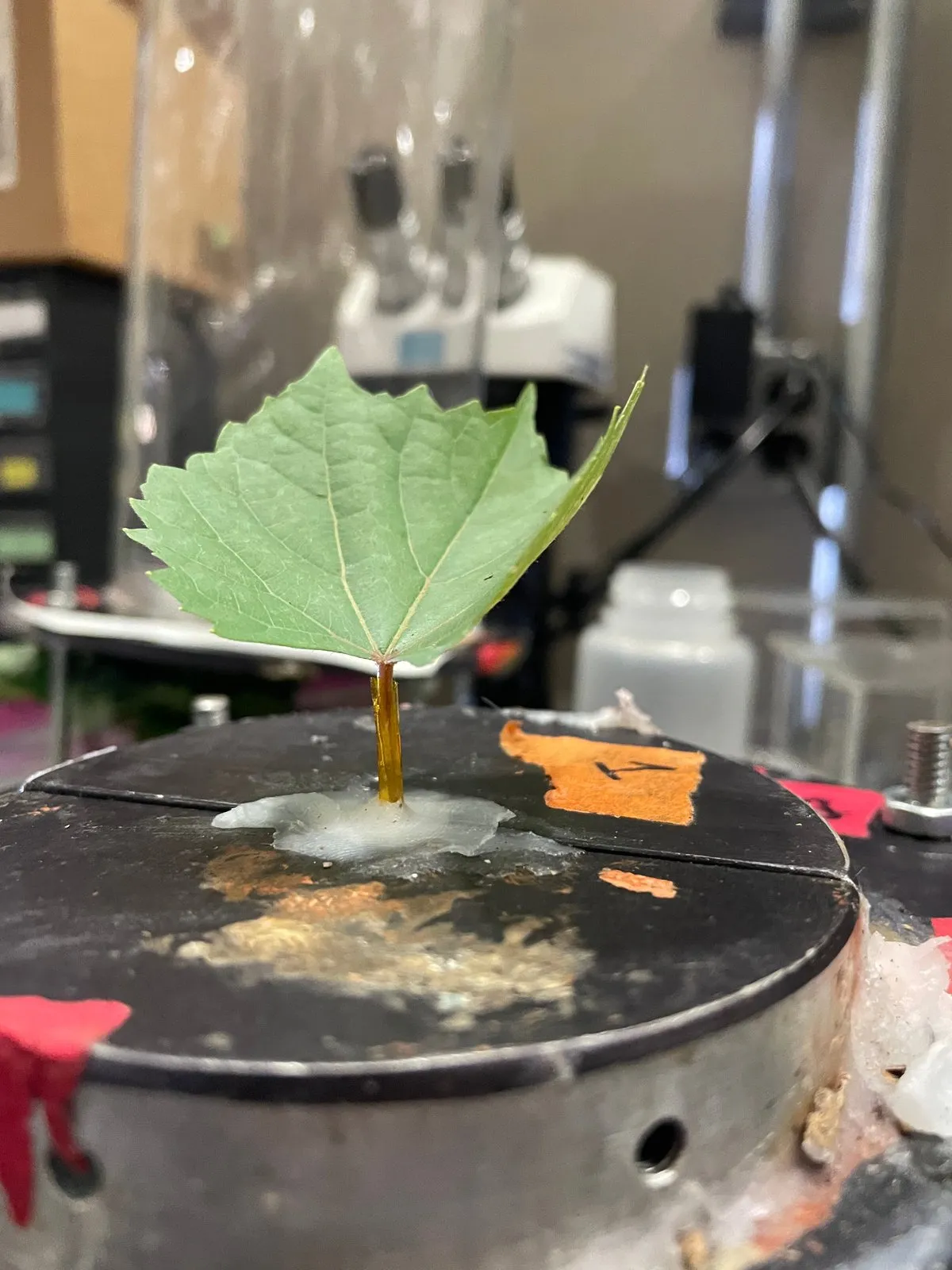
Dry air and dry soil
Whether drought reached through dry air or through drying soil is equally recoverable.
-
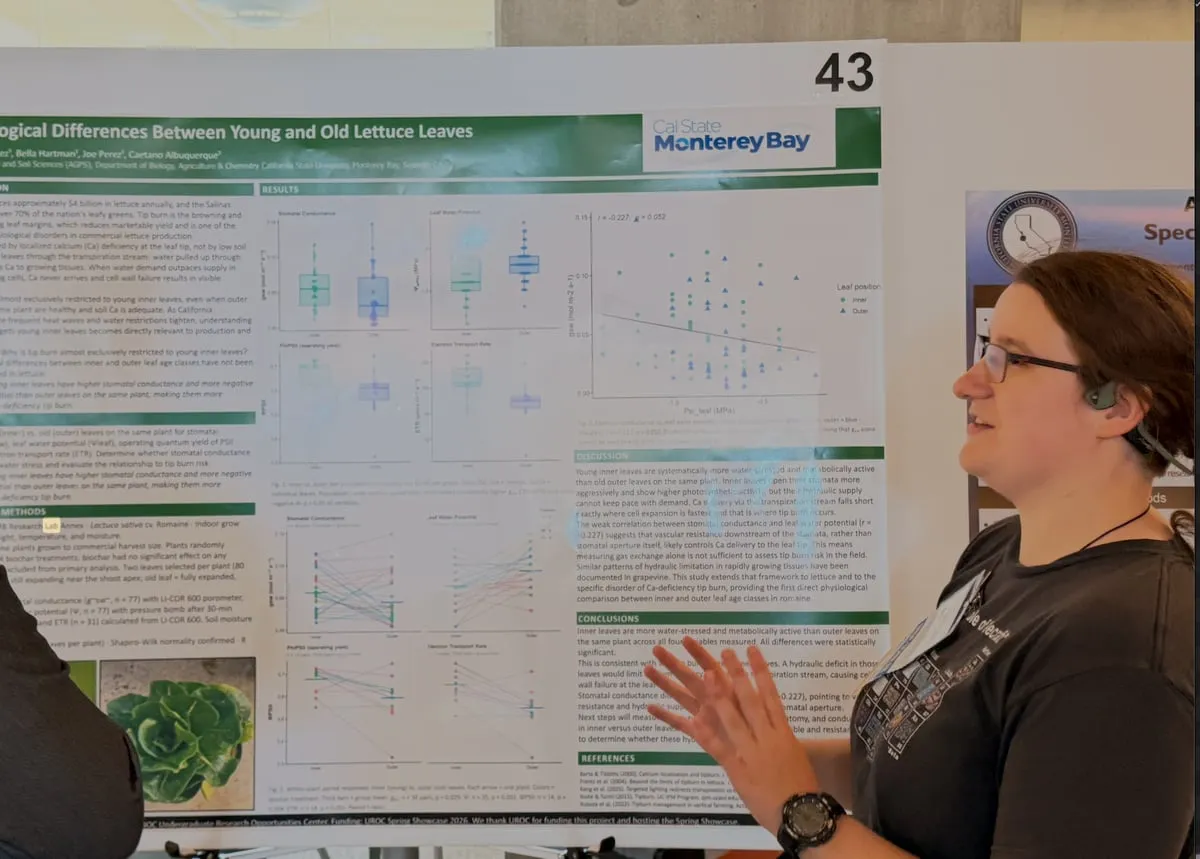
Water delivery and disease in lettuce
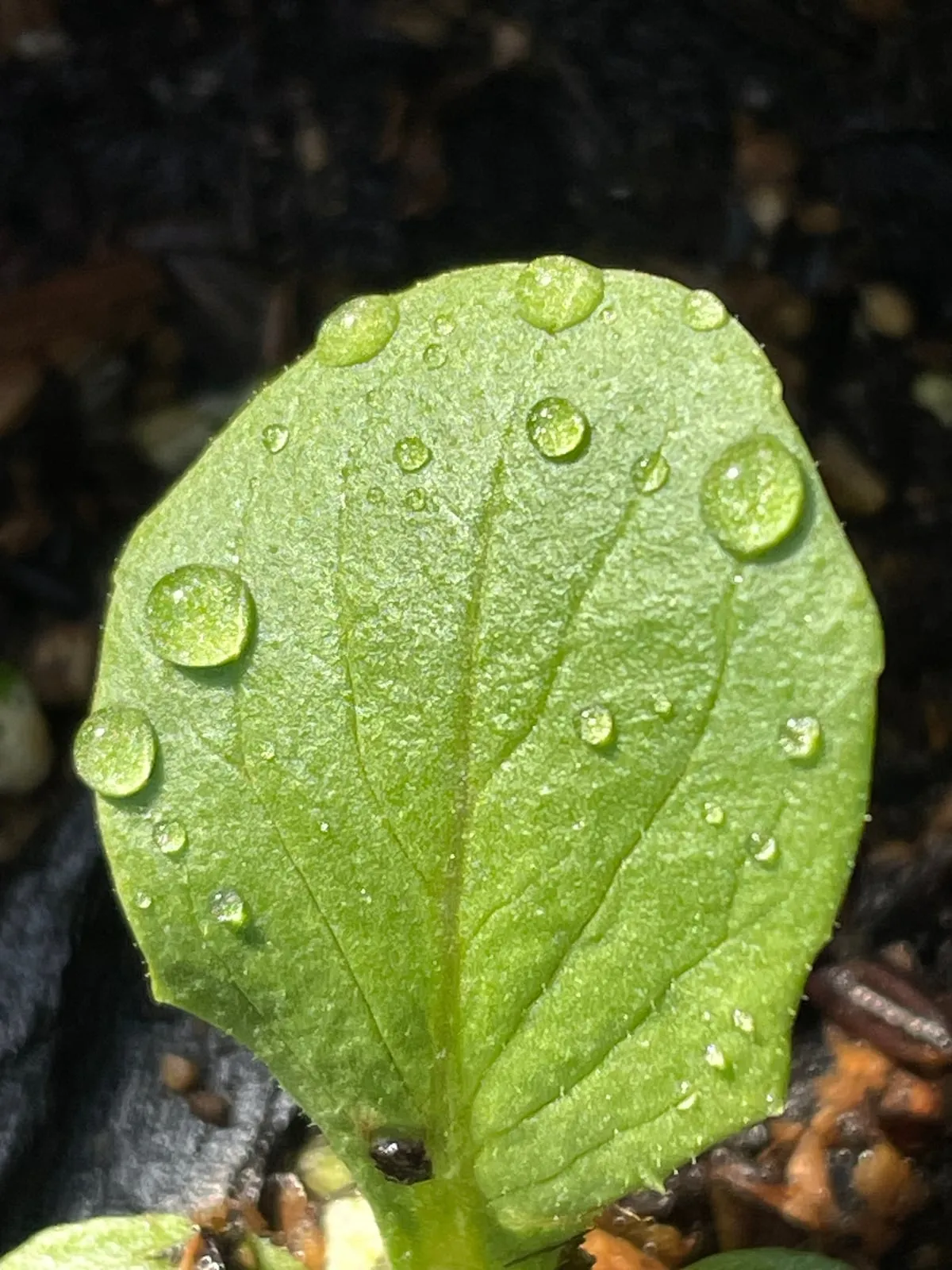
Student projects on inner leaves and tipburn, and on Fusarium wilt in the xylem.
Students: Melissa Martinez, Bella Hartman, Joe Perez
Research with undergraduates
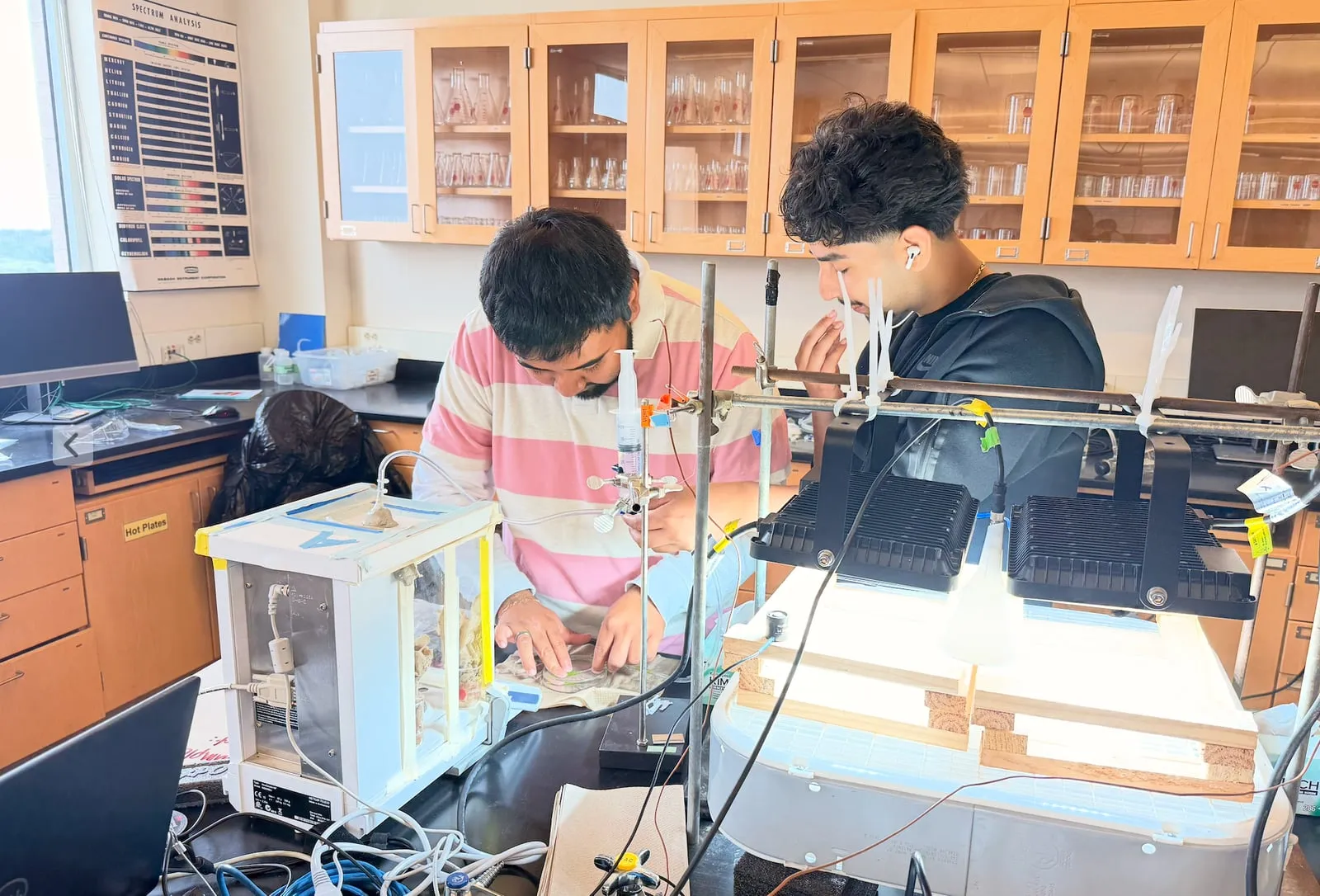
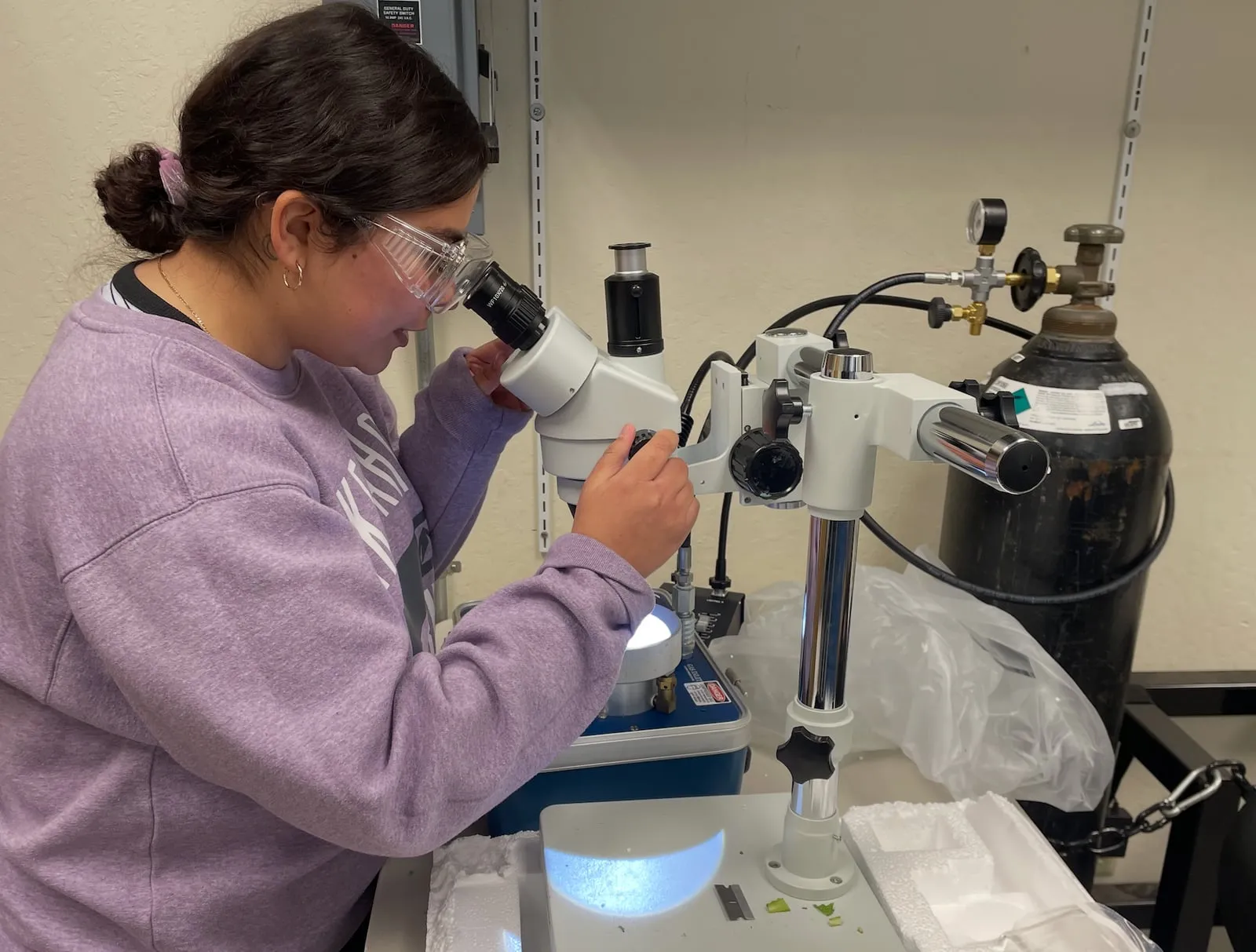
Undergraduates run most of the measurements in the lab and present their own work. Meet the lab.
Earlier work
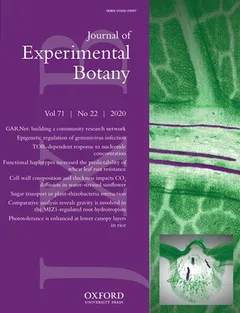
In grapevine leaves imaged alive with microCT, leaf hydraulic conductance and gas exchange declined early in drought without xylem embolism. Albuquerque et al. 2020, Journal of Experimental Botany, journal cover.
Methods
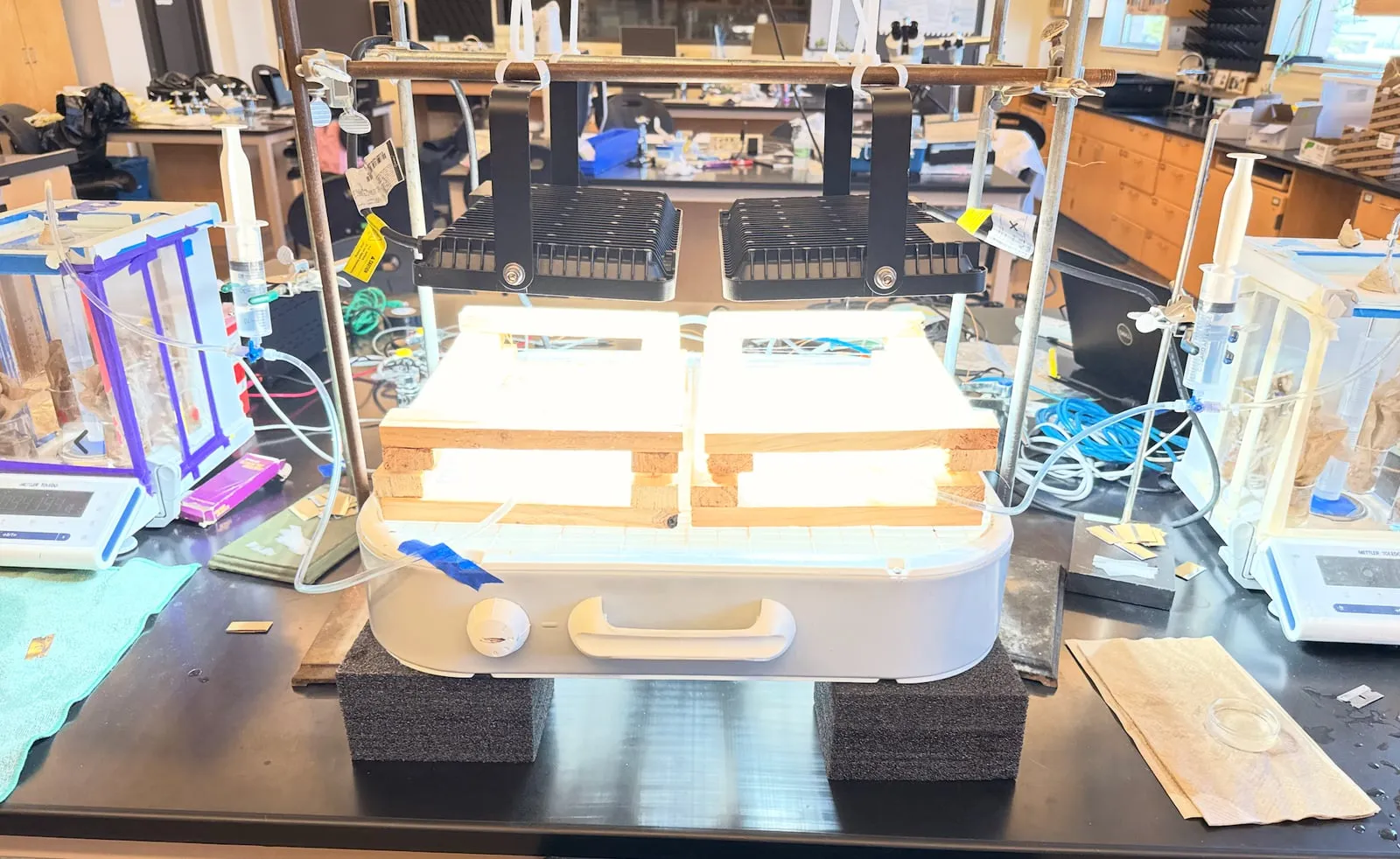
Pressure chamber, gas exchange, pressure-volume curves, leaf and root hydraulic conductance, optical vulnerability, quantitative anatomy, and synchrotron microCT.